


As a freelancer, things don’t always go smoothly. When it starts to feel overwhelming, it might be time to rethink your approach and explore new opportunities. The freelancing world is vast, with plenty of platforms to choose from, but one of the platforms you shouldn’t overlook is PeoplePerHour.
Have you come across this platform before? Or are you wondering what it’s all about?
PeoplePerHour is a freelancing platform where skilled professionals can showcase skills and connect with businesses in need of their services.
With the demand for remote work and freelance projects steadily increasing, platforms like PeoplePerHour have become a reliable way to find work and grow your career online.
So, whether you’re searching for fresh opportunities or just getting started as a freelancer, PeoplePerHour could be a great place to begin. Let’s take a closer look at how it works and how you can start landing freelance jobs. In this article, I will teach you how to become a successful Peopleperhour freelancer.
How PeoplePerHour Works and What It’s All About
PeoplePerHour is an online platform where freelancers can showcase their skills and connect with businesses that need their expertise.
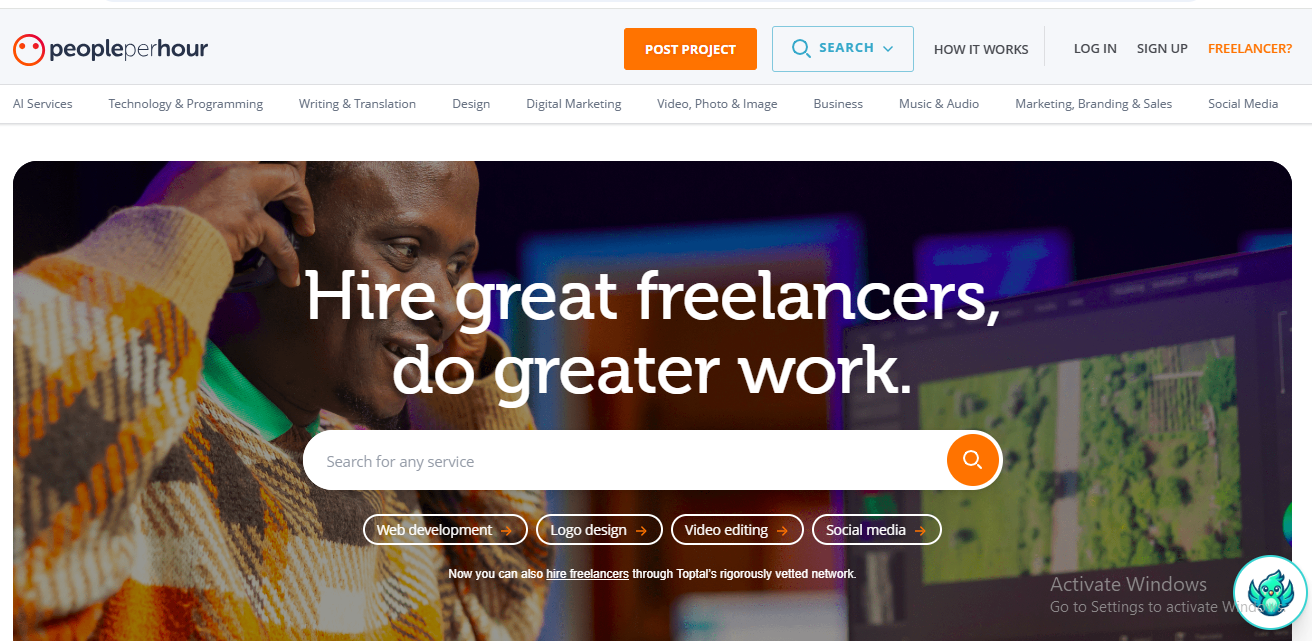
Founded in 2007, PeoplePerHour (PPH) is a UK-based, AI-powered freelance marketplace. It connects clients (often called “buyers”) with freelancers for both hourly and project-based work. With over a million users across fields like design, writing, and IT, it provides tools like a secure payment system and a “WorkStream” dashboard to help manage projects and keep funds safely in escrow.
It’s especially popular among freelancers looking for remote work opportunities, while clients can either post projects or search directly for professionals to hire.
How Does It Work?
Getting started on PeoplePerHour is quite straightforward.
For clients:
They begin by creating an account, then post a project with clear details such as budget, scope, and deadline. From there, freelancers can apply, or clients can reach out directly to those whose profiles match their needs.
For freelancers:
After setting up your account and profile, you can either wait to be contacted or actively apply for jobs that interest you. When applying, you’ll send a proposal outlining your approach, experience, and rates—helping clients decide if you’re the right fit.
Once a project is completed and approved, payments are processed securely through the platform.
PeoplePerHour Fees for Freelancers
One of the advantages of PeoplePerHour is that it’s free to get started. There are no signup fees, and you won’t be charged for browsing projects or posting offers.
Instead, the platform takes a commission based on your lifetime earnings with each client. Interestingly, the more you earn from a single client, the lower the commission rate becomes.
For example, you’ll pay a 20% service fee on earnings below £250, 7.5% on amounts between £250 and £5,000, and just 3.5% once your earnings with a client go above £5,000 (all excluding VAT).
This tiered structure is designed to reward consistency and long-term collaboration. In simple terms, the longer you work with a client and the more value you provide, the less you lose to fees. This makes it a strong incentive to build lasting professional relationships.
How Does PeoplePerHour Pay?
When working as a freelancer online, understanding how you’ll get paid is just as important as finding the job itself.
With PeoplePerHour, withdrawing your earnings is fairly simple. You can receive payments through your bank account or PayPal, and transactions are typically handled in major currencies like pounds, euros, and dollars.
If you prefer managing your funds digitally, you can also connect services like a dollar account to make handling international payments easier and reduce conversion costs.
So, how does the payment process actually work?
Once you and a client agree on a project, the payment is handled directly through the platform. PeoplePerHour uses an escrow system, which means the client deposits the agreed amount upfront. This ensures the funds are secured before any work begins.
After completing the project, you’ll need to raise an invoice through the WorkStream dashboard. Once the client reviews and approves your work, the payment is released to your account.
If the client doesn’t take action within 7 days, the system automatically releases the funds—so you’re still protected.
Payments usually clear within a few hours to a few working days, although in some cases, security checks can take up to 14 working days. Once the funds are cleared, you can withdraw them to your preferred payment method.
Overall, the process is designed to protect both freelancers and clients, ensuring that payments are secure and only released when the work is completed satisfactorily.
Now that you understand how payments work on PeoplePerHour, you’re one step closer to getting started and earning on the platform.
Opening Your Account on PeoplePerHour
Just like on other freelancing platforms, the first step is to sign up on PeoplePerHour.
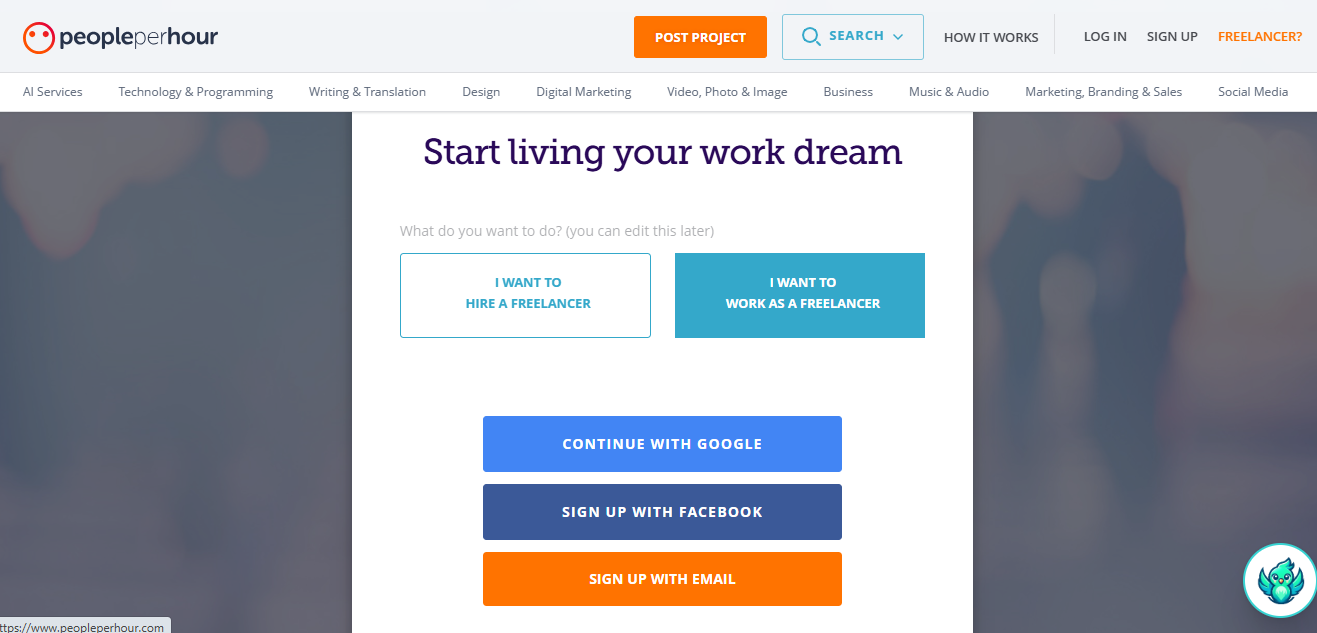
Once you land on the platform, select “I want to work as a freelancer.” From there, you can sign up using Google, Facebook, or your email.
At this stage, don’t be surprised if you see a message about a long queue of freelancer applications.
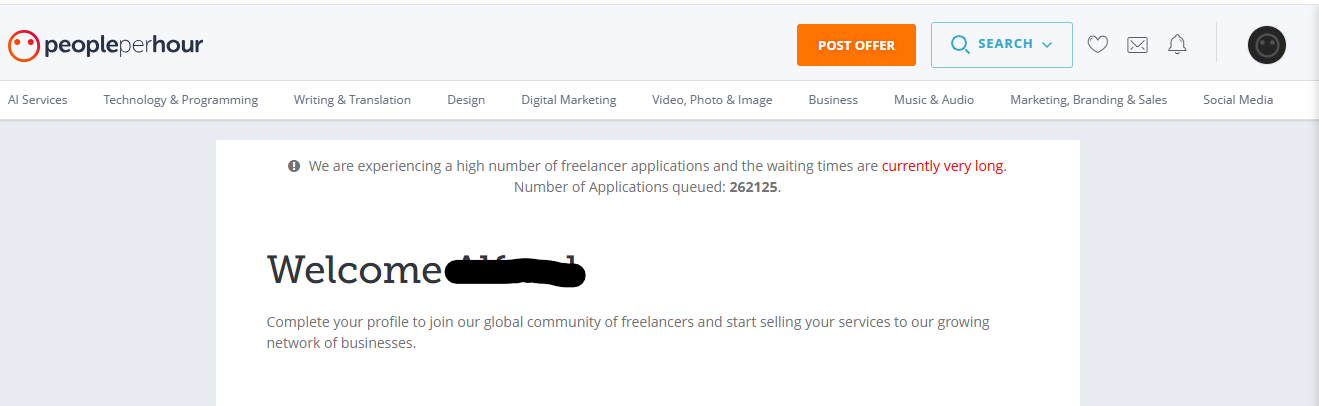
This simply means you’ll need to wait for approval before you can fully start applying for jobs. While you wait, the best thing you can do is build a strong profile.
Set Up Your Profile the Right Way
It’s surprising how many freelancers overlook their biggest marketing tool, which is the profile.
Your profile is what sells you before you ever speak to a client. A well-optimized profile can be the difference between getting ignored and getting hired.
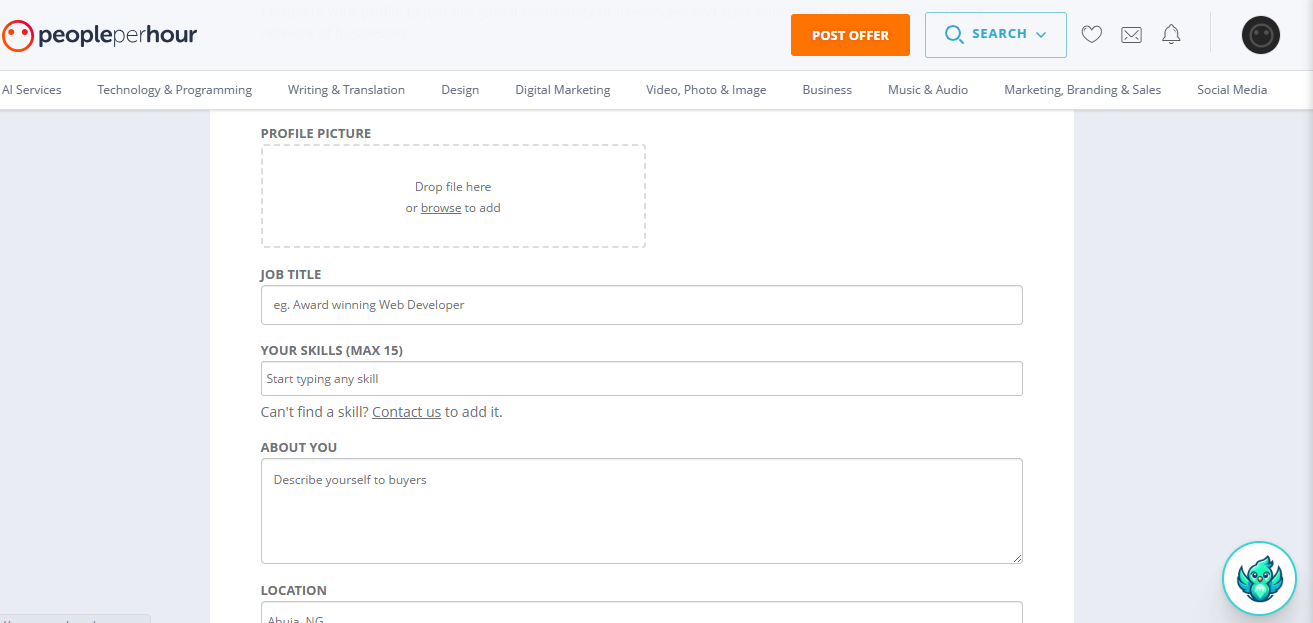
Start by filling out every relevant section, but pay special attention to your headline and the first few lines. These are the first things clients see, so make them count.
Profile Picture
Your profile picture matters more than you might think. It’s often the first impression clients get of you, so it should look clear, friendly, and professional.
You don’t need to go too far. A simple headshot with a clean background and good lighting is what you need. It keeps the focus on you rather than distractions in the image. Don’t underestimate the impact of lighting in your photo. So, avoid photos with poor lighting, busy backgrounds, or overly casual settings. All these can make your profile look less professional.
It’s also important to present yourself neatly. Dress in a way that reflects professionalism and confidence, and make sure you’re facing the camera with a natural, approachable expression. High-quality images are essential, so avoid anything blurry or badly cropped.
You should also steer clear of using logos, cartoons, or group photos, since clients want to know exactly who they’ll be working with.
Title
This is where many freelancers get it wrong.
Avoid generic titles that blend in. Instead, make yours specific and outcome-driven.
So, instead of saying:
“AI Automation Specialist”
Go for something like:
AI Automation for Lead Generation | Chatbots & Sales Funnel Optimization Expert
Or if you want a writing-focused niche:
AI Copywriting Automation | Email Sequences & Conversion Funnel Specialist
Just keep in mind to combine skills, outcomes, and niche/keywords, so clients can instantly find you. To get that done perfectly, think like your ideal client. ‘What would they search for?’
Skills
Here, you can add up to fifteen skills to your profile. However, these don’t need to include everything you can do—only the skills that are directly relevant to your title and the services you want to be hired for.
If you’re unsure which skills fit your gig, that’s not a problem. Even experienced freelancers double-check this part because relevance matters more than quantity. Tools like ChatGPT can help you identify the right keywords and skills based on your niche, so you’re not just guessing or adding random terms.
About You
This section isn’t your life story—it’s your pitch, and it should be treated that way from the start.
Instead of going into long details about your background, focus on why a client should trust you and what makes you the right person for the job.
A good approach is to begin with a brief introduction that clearly states your name and niche, followed by your key skills and relevant experience. From there, you can mention the tools or methods you use in your work. Then, highlight what sets you apart from other freelancers, and end with the kind of results clients can expect when working with you.
The goal is to keep everything clear, confident, and client-focused, without unnecessary fluff. By the end of your summary, the client shouldn’t just understand what you do—they should feel comfortable and confident enough to hire you.
Other Details
Make sure to complete additional sections like your location and languages. These help clients filter and find you more easily.
Hourly Rate
This might look like a small section, but it’s a big decision.
If you’re just starting, research what others in your niche are charging. You can set your rate slightly lower to attract your first clients, but don’t undervalue yourself.
As you gain experience and reviews, increase your rates gradually.
Remember that low prices may get attention, but real value is what keeps clients coming back.
Application Processing: Wait or Skip?
‘How would you like your application to be processed?’
This is the next prompt you’ll see after clicking “Proceed.” At this point, you’re given two options for how your application will be reviewed. You can either join the standard queue and wait your turn, or choose a faster, paid option to speed things up.
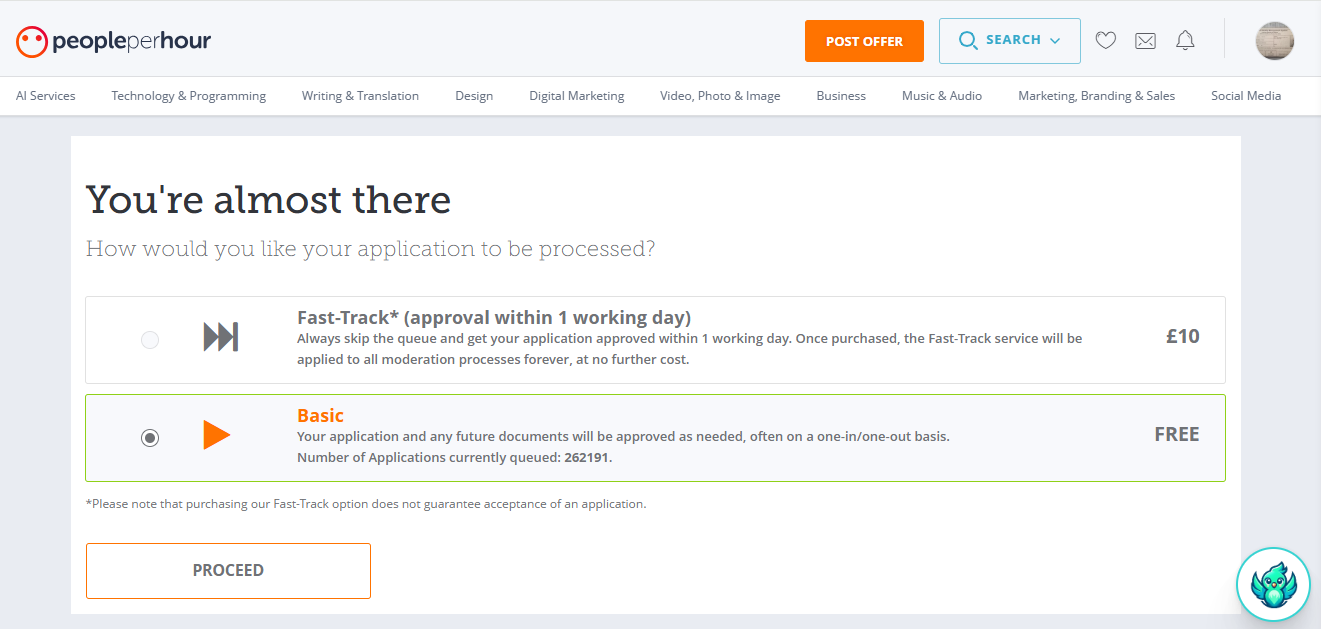
If you decide to go the faster route and you have the budget for it, you can pay £10 to skip the queue. This typically gets your application processed within a day, making it a quicker way to get started. However, do keep in mind that weekends and public holidays may affect the timeline, in which case approval will move to the next working day.
On the other hand, if you prefer not to spend extra at this stage, you can simply stay in the queue and wait for the standard review process. This is completely fine if you’re just starting or want to keep your costs low.
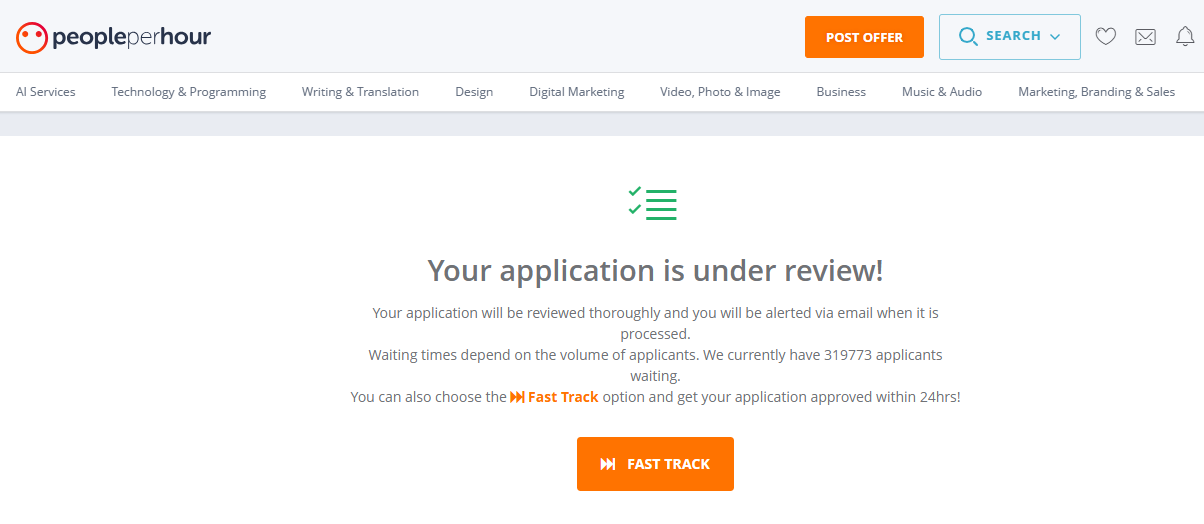
In that case, approval can take anywhere from three days to about a week, depending on how busy the platform is at the time.
Add Offers to Your Profile
One of the features that makes PeoplePerHour stand out is “Offers.”
Offers are pre-packaged services that you create and list on your profile. That allows clients to purchase them instantly without having to post a job or going through a bidding process. The offers are like ready-made services that clients can browse and buy directly from you.
For example, you can create an offer for writing a 500-word SEO blog post as a content writer or setting up a chatbot.
Each offer works like a mini storefront that clearly shows what you provide, how much it costs, and what clients can expect. This makes it easier for clients to understand your services at a glance and decide quickly whether to work with you.
If you are a beginner, don’t look down on the importance of offers, because they help you land your first clients faster. They also allow you to present your services in a structured and easy-to-understand way that attracts attention.
More importantly, the offers help you generate income without waiting for invitations or job bids. You can also create multiple offers tailored to different services and promote them both within and outside the platform.
Your Portfolio
Your freelance portfolio is one of your strongest selling tools. It gives potential clients a clear picture of what you can do and the kind of results they can expect.
If you want to land your first client quickly, focus on uploading your best work first—especially your top six pieces, since these are the ones clients will see immediately on your profile. You can add as many samples as you like, so keep updating it as you grow.
But what if you’re just starting and don’t have a portfolio yet?
You can build a portfolio quickly by joining competitions in your niche, where you produce work for real briefs that can later be showcased regardless of whether you win or not. You can also work with charities or non-profit organisations, which can help you gain practical experience and build credibility while still producing portfolio-worthy results.
The easiest way is to offer your services to friends or family at a reduced rate in exchange for real projects that you can present as work samples.
With a few strong and relevant samples in place, you’ll be able to present yourself more confidently and position yourself in a way that naturally attracts clients.
Getting a Job on PeoplePerHour
It’s now time for the real deal, but finding work on PeoplePerHour isn’t just about signing up. You’ve got to learn how to use the platform strategically.
Here’s how to get started the right way:
Search for projects regularly
Opportunities don’t find you—you find them. So, make it a habit to check the platform daily. New projects are posted all the time, and consistency increases your chances of landing the right one.
One of the easiest ways to get started on PeoplePerHour is by taking advantage of the free proposal credits you receive each month. You’ll typically get 15 credits—so don’t let them go to waste.
The truth is, your first client is unlikely to come from just waiting around. You need to actively apply for projects and put yourself in front of potential clients. Consistency, combined with strong proposals, is what gets results.
Use filters to your advantage
The filter feature is there to make searches easier for you. Narrow down your search based on your skills, preferred rates, location, or project type (fixed or hourly). This helps you focus only on jobs that truly match your expertise.
Optimize your profile
Your profile should clearly show why you’re the right fit. Therefore, ensure it highlights your experience, key skills, and portfolio in a way that builds trust almost immediately. You can return to the explanations given above to build an impressive profile.
Send personalized proposals
Don’t be too hasty to the extent of doing copy-and-paste when submitting proposals. When writing your proposal, show that you understand the client’s needs. Explain your approach, and highlight your relevant experience.
Ensure that every proposal you send is tailored to the specific client and project. While it’s fine to have a general template, avoid copying and pasting it anyhow. Rather, take time to adjust each application so that it speaks directly to the client’s needs.
Another thing you should pay attention to when writing your proposal is clearly highlighting your strengths. Focus on relevant skills and similar projects you’ve completed in the past, and always support your claims with real examples from your portfolio.
If the client has included specific questions in the brief, take the time to answer each one carefully, as missing details can easily cost you the job. Always double-check your proposals for spelling and grammar errors, since small mistakes can give the impression of carelessness.
It’s also important to keep all communication within the platform’s WorkStream to ensure transparency and protection.
Your pricing should also be thoughtful and realistic. Consider the scope of the work and how long it will take, then set a fair rate that reflects both your time and value.
If anything in the project brief is unclear, don’t hesitate to ask questions. This not only helps you deliver better work but also shows professionalism and genuine interest in the project.
Build long-term relationships
When you start getting jobs, don’t think that’s all. Landing one job is great—but turning that client into a repeat customer is what you should strive for. To achieve that, deliver quality work, communicate well, and aim to create lasting connections. Satisfied clients often come back and may even refer you to others.
With a strong portfolio and the right strategy, you’re not just applying for jobs—you’re building a sustainable freelance career on PeoplePerHour.
Best Tips for Success on PeoplePerHour
Every new phase brings with it a renewed sense of opportunity. As you progress in your freelance journey, you have more freedom than ever to shape your work in a way that fits the life you want to build.
The freelance economy continues to grow, with more businesses opting for freelancers over traditional agencies, while demand for human-driven skills remains strong alongside the rise of AI.
Still, achieving your most profitable period isn’t about working more hours or accepting every project that comes your way. It comes down to working with intention, choosing the right opportunities, and steadily building momentum that lasts. Here’s how to do just that…
Set Clear, Realistic Goals
Before focusing on income targets, it helps to define what success actually means for you. It could be earning more while working fewer hours. It might also mean building long-term client relationships instead of constantly pitching for new work. Or it could involve moving into higher-paying projects or specialising in work you genuinely enjoy.
Higher-earning freelancers are usually intentional about their direction. Rather than jumping from one project to another, they make deliberate choices that align with their goals. Even something as simple as identifying your ideal client can significantly shape your freelance path.
Treat Your Profile as a Business Asset
Your profile on platforms like PeoplePerHour is more than just a requirement—it is often the first impression clients get of you. And in freelancing, first impressions carry real weight.
It is important to keep your profile up to date so it reflects your current skills and direction, not where you started. Refresh your photo, refine your headline and About section, and ensure your skills and portfolio match the type of work you want to attract.
Use AI as a Support Tool, Not a Replacement
AI has become part of everyday freelancing, and when you use it well, it can improve your productivity and increase your earnings. It can also speed up research, support data analysis, save time, and help generate ideas when you are stuck.
However, successful freelancers do not rely entirely on AI. They use it as an assistant while keeping their creativity, judgment, and personal touch at the centre of their work.
Clients value thinking, experience, and trust—not shortcuts. So, let AI enhance your output, not replace what makes you valuable.
Select Projects That Move You Forward
A common mistake among freelancers is accepting every opportunity that comes their way. However, not every project is worth your time, even if it pays.
The most successful freelancers are selective. They choose work that aligns with their skills, supports their long-term goals, and contributes to their growth.
Focus on projects that can lead to repeat clients, referrals, or stronger professional relationships. In freelancing, success is built on momentum, not just individual jobs.
Focus on Relationships, Not Just Clients
Strong client relationships are one of the most powerful drivers of freelance success. They reduce the need for constant pitching, create more stable work, and often lead to higher-value opportunities over time.
Great freelancers go beyond simply completing tasks. They communicate clearly, meet deadlines, offer suggestions, and genuinely invest in their clients’ outcomes. As a result, many earn most of their income from repeat clients rather than one-off projects.
Price Your Work With Confidence
As your experience grows, your pricing should evolve with it. Underpricing may help you get started, but over time, it can undermine how your work is perceived.
When you consistently deliver quality work, your pricing should reflect that value. Confident rates tend to attract serious clients who respect your expertise and are more likely to build long-term relationships with you. Ultimately, profitability is not just about earning more—it is about properly valuing your time and skill.
Finally…
Success on PeoplePerHour is not just about creating a profile or landing a few gigs—it is about building a clear direction for your freelance career. The freelancers who stand out are those who understand their strengths, position themselves intentionally, and consistently deliver value in every project they take on.
As competition grows and opportunities evolve, what truly sets you apart is not luck, but how well you present yourself and build lasting client relationships. When you combine strategy with consistency, the platform becomes more than just a marketplace—it becomes a space where you can steadily grow your income and your reputation.
So as you move forward, focus less on chasing every opportunity and more on building the right ones. With the right approach, PeoplePerHour can become a powerful tool for shaping a freelance career that is both sustainable and rewarding.